Understanding the Power of Colors
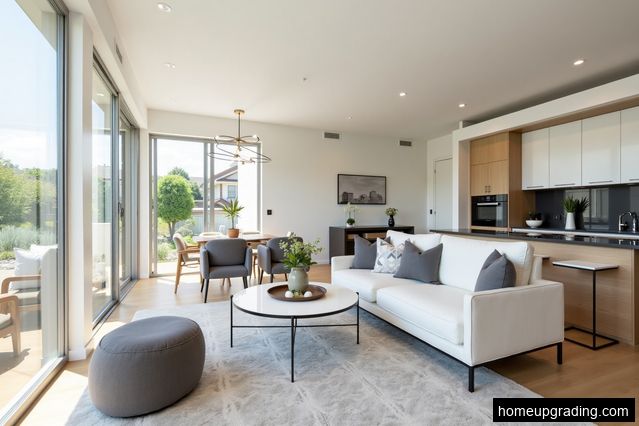
Colors have a tremendous impact on our emotions and can significantly influence the atmosphere of a room. Before diving into the process of selecting a color palette, it's essential to understand the psychology behind different colors. Warm colors like red, orange, and yellow evoke energy and excitement, while cool colors such as blue, green, and purple create a calm and soothing environment. Neutrals like white, gray, and beige provide a timeless and versatile backdrop for any style. Consider the mood and ambiance you want to create in each room to guide your color selection.
Harmonizing with Existing Elements
When choosing a color palette, it's essential to consider the existing elements in the space. Take into account the flooring, furniture, and architectural features. Look for colors that complement or enhance these elements rather than clash with them. If you have a bold statement piece of furniture or artwork, consider using its colors as a starting point for your palette. Harmonizing the new color scheme with the existing elements will create a cohesive and visually pleasing interior.
Creating a Balanced Color Scheme
To create a balanced color scheme, it's helpful to understand the basics of color theory. The color wheel is a useful tool that can guide your choices. There are several color schemes you can explore:
- Monochromatic: This scheme involves using different shades and tints of a single color. It creates a harmonious and sophisticated look.
- Analogous: Analogous colors are located next to each other on the color wheel. They create a sense of unity and flow.
- Complementary: Complementary colors are opposite each other on the color wheel. This scheme offers a high contrast and can be visually striking.
- Triadic: Triadic colors are evenly spaced around the color wheel. They offer a vibrant and balanced look.
Experiment with different color combinations and consider the proportions of each color in the room. It's important to strike a balance between bold and neutral tones to avoid overwhelming the space.
Considering the Room's Purpose
The purpose of the room should also play a role in your color selection. Different colors can evoke specific emotions and enhance the functionality of a space. For example, soothing blues and greens are excellent choices for bedrooms and bathrooms, creating a calming and relaxing atmosphere. Vibrant and energetic colors like red and yellow work well in spaces intended for socializing, such as living rooms and dining areas. Consider the room's purpose and the desired mood to choose colors that align with your goals.
Testing and Sampling
Before committing to a color palette, it's crucial to test and sample the colors in your space. Lighting and other elements in the room can affect how colors appear. Paint swatches on different walls and observe how they look at different times of the day. Consider how the colors interact with natural and artificial lighting. Additionally, try out a sample of the furniture or fabric you plan to incorporate and see how it works with the colors you've chosen. Taking the time to test and sample will prevent any surprises and ensure that the final result is as envisioned.
Seeking Professional Advice
If you're unsure about selecting the right color palette or need expert advice, don't hesitate to consult with a professional interior designer. They have the knowledge and experience to guide you through the process and help you achieve the desired look for your home. They can provide valuable insights and suggest color combinations that you may not have considered.